hero background
Infrastructure Rehabilitation

Concrete Slabjacking Information & Technology

Learn how slabjacking — also known as concrete lifting or mudjacking — restores sunken slabs by injecting high-performance material beneath the surface to lift and level concrete. This technology is effective for residential and commercial slabs, offering rapid repair with minimal disruption and excellent long-term performance.

What Is Slabjacking & Why It Matters

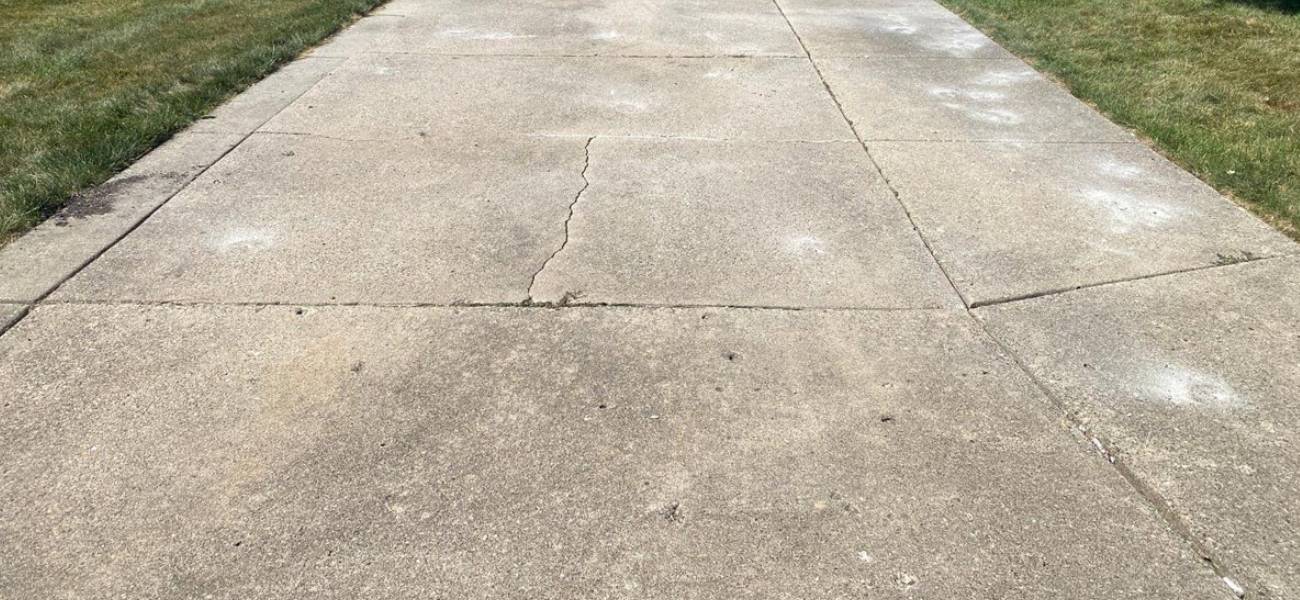
Concrete slabs can sink due to soil erosion, poor drainage, soft or organic subsoils, and even broken underground utilities like water lines. Over time, voids form beneath the slab, causing uneven surfaces, safety hazards, and structural stress. Slabjacking is a cost-effective technology that restores these settled slabs by injecting material through small access holes to fill voids and lift the concrete back to its original elevation.

Unlike full saw-cut removal and re-pouring, slabjacking leaves your slab in place, greatly reduces cleanup, and preserves landscaping and finished surfaces.

Cost-Effective, Clean, and Fast

Slabjacking is often completed within hours — not days — with minimal dust, debris, or noise. The process is frequently performed inside occupied buildings, residences, and working commercial sites with very little impact on daily use.
Why Concrete Slabs Settle or Sink

Poor Soil Conditions

Soft, poorly compacted, or organic soils lack sufficient bearing capacity and can compress over time — especially under heavy loads — leading to slab settlement.

Water-Related Erosion

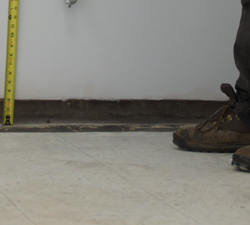
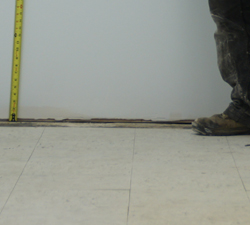
Standing water, poor drainage, or broken water lines can wash soil away from beneath a slab, creating voids that cause rapid settlement in hours or days.

Uneven Load Distribution

Heavy equipment, storage loads, or traffic patterns can exacerbate settlement where the underlying soil fails to support the structure evenly.

Key Benefits of Concrete Slabjacking Technology

Rapid Repair Time

Many slabjacking projects are completed in a single day, with surfaces often ready for use within hours of treatment.

Clean Work Site

Small injection holes and minimal excavation keep dust, debris, and noise to a minimum — especially helpful in interior or occupied environments.

More Economical

Slabjacking typically costs a fraction of the price of full slab replacement or demolition-repour, saving both materials and labor.

Environmentally Friendly

Compared to conventional slab removal (which requires heavy jackhammering, fuel consumption, and truck hauling), slabjacking uses less energy and produces lower carbon emissions — making it a greener option for concrete repair.