hero background
Mudjacking Technology

Mudjacking Services in New England — Lifting Sunken Concrete

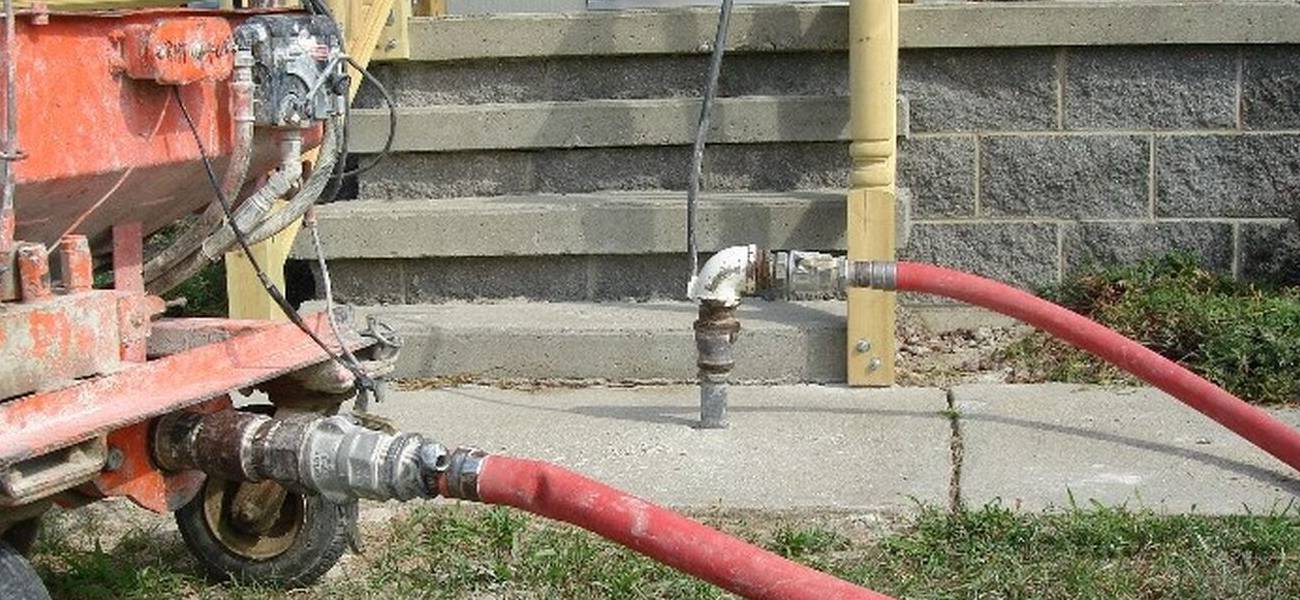
Mudjacking (also known as slabjacking or concrete lifting) uses a range of materials to fill voids and raise settled concrete. From traditional soil and cement slurries to modern expanding polyurethane foam, each material has unique properties and applications that affect cost, performance, and durability. Learn how these materials work and which is right for your concrete lifting project.

Understanding Concrete Lifting Materials

Concrete lifting — whether called mudjacking, slabjacking, or pressure grouting — relies on injecting material beneath a sunken slab to fill voids and restore elevation. Over the years, the materials used have evolved from simple, soil-based “mud” mixtures to engineered cementitious grouts and advanced polyurethane foam systems.

Choosing the right material affects how quickly the repair cures, how the slab performs over time, and how the surrounding soil responds — all critical factors for long-lasting concrete leveling solutions.

Materials Shape Performance

From lightweight foams that minimize soil stress to traditional grouts with high compressive strength, the material you use determines repair speed, durability, and overall value.
Key Materials Used for Mudjacking & Concrete Lifting

Polyurethane Foam – Modern Structural Foam

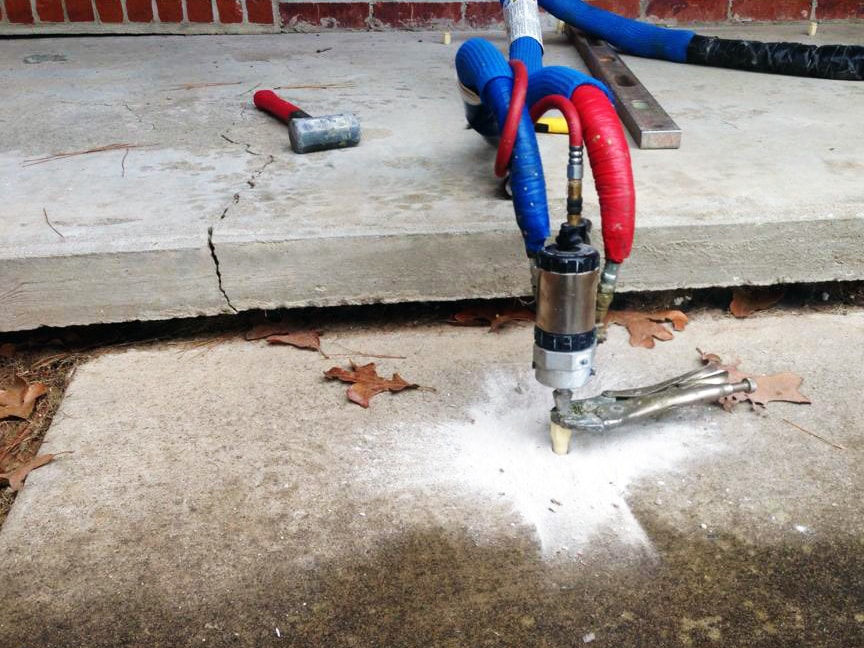
High-density polyurethane foam is the latest advancement in mudjacking technology. It is extremely lightweight yet strong, expanding quickly to fill voids and lift concrete without adding significant weight to the soil. Polyurethane foam typically cures within minutes and resists moisture, erosion, and long-term soil movement, making it ideal for residential, commercial, and industrial slabs alike.

Cement-Based Grout – Traditional Mudjacking Material

Cementitious grout mixtures — often a blend of Portland cement, fine aggregates, and water — have been used for decades. These grouts provide high compressive strengths and can effectively lift heavy slabs. However, mixing and pumping cement grouts can create dust, require extensive cleanup, and usually need larger access holes compared to modern foams.

Non-Cement “Mud” Grout – Historical Slurries

The original mudjacking material was a soil/sand slurry mixed with water — hence the name “mudjacking.” While this mixture can fill voids and lift slabs, it lacks structural strength and is prone to erosion over time. Some older or low-cost applications still use non-cement slurries, but they are generally considered inferior to cement grout or polyurethane foam for long-term performance.

How Mudjacking Materials Compare

Polyurethane Foam – Fast & Lightweight

  • Advantages: Rapid curing (often within 15 minutes), small injection holes, excellent void filling, moisture resistance, and minimal soil stress.
  • Considerations: Typically higher upfront cost than traditional grout but longer lasting with fewer repeat

Cementitious Grout – Strong & Proven

  • Advantages: High compressive strength and long history of use, making it suitable for heavy industrial slabs.
  • Considerations: Slower cure time, larger holes, dust and cleanup requirements, and heavier weight can stress weak soils.

Non-Cement Slurry – Historical Option

  • Advantages: Low material cost and simple formulation.
  • Considerations: Weak structural characteristics, susceptible to washout, and generally not recommended for long-term slab support.

Eco-Friendly & Sustainable Options

  • Advantages: Polyurethane and modern grouts produce less waste and require less fuel and hauling than concrete replacement, reducing landfill material and environmental impact.
  • Considerations: Proper material handling is required to maintain environmental safety and performance.