hero background
Infrastructure Rehabilitation

Professional Soil Stabilization with Polyurethane Injection

EFT provides advanced soil stabilization solutions using high-density expanding polyurethane foam to strengthen weak or loose soils, fill underground voids, improve load-bearing capacity, and protect structures from settlement and erosion. This trenchless, minimally disruptive method is ideal for infrastructure, buildings, utilities, and transportation corridors across the Northeast and beyond.

Reliable Soil Stabilization for Structural Integrity

Soils that are weak, loose, contaminated, or prone to erosion can undermine foundations, pavements, and underground structures. EFT’s soil stabilization services use targeted polyurethane injection to consolidate and densify soil at depth, forming a durable, water-resistant barrier that increases load-bearing capacity and minimizes future settlement.

This approach is cost-effective for municipalities, engineers, and property owners facing issues with poor soils, voids, and water infiltration around critical infrastructure.

Stronger Soil Starts Below the Surface

Our injection process bonds soil particles together, compresses loose soils, and controls groundwater effects — all without extensive excavation or disruption to existing operations.
Problems That Require Soil Stabilization Solutions

Weak or Loose Subsoils

Poorly compacted soils lack the strength necessary to support structures, leading to settlement, cracking, and instability.

Erosion and Void Formation

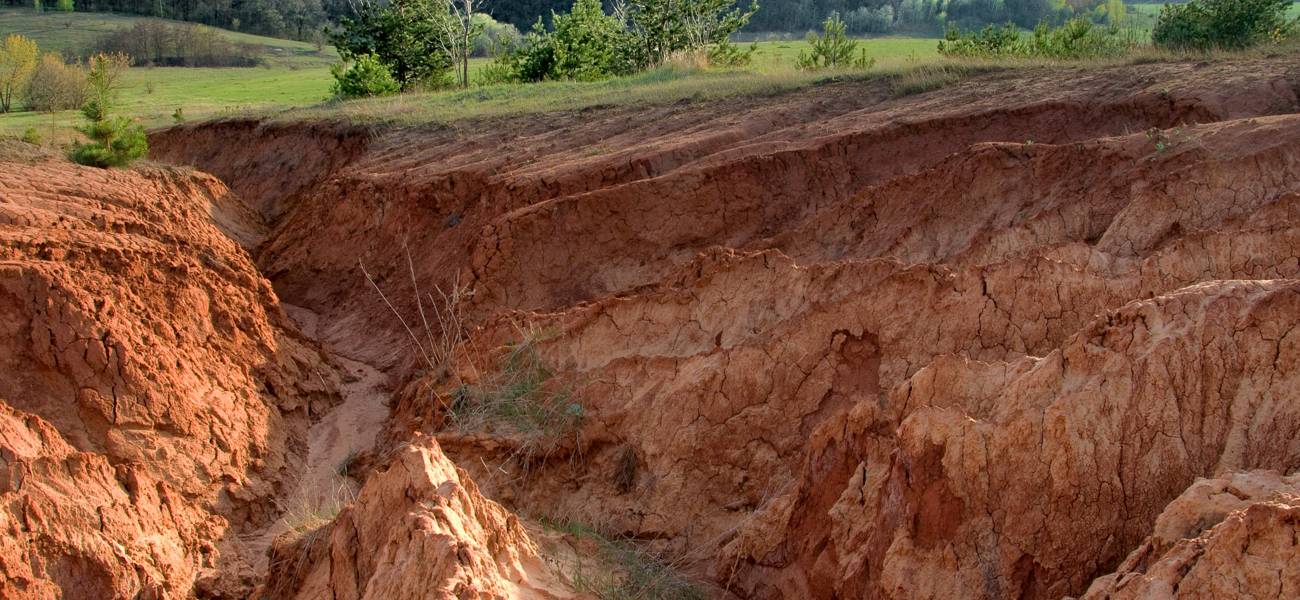
Water flow or underground utility leakage can wash away soil fines, causing voids and uneven ground that jeopardize foundations and pavements.

Settlement and Structural Stress

Differential settlement from weak soils can lead to uneven floors, foundation cracks, and reduced structural performance.

Advantages of EFT’s Soil Stabilization Services

Precision Soil Bonding

Expanding polyurethane infiltrates loose soils and binding particles together, creating a stable and consistent soil matrix that resists future movement.

Rapid Strength Gain

Nearly immediate structural improvement allows stabilized soils to support loads quickly, often within minutes after injection — ideal for projects with operational constraints.

Minimally Disruptive Installation

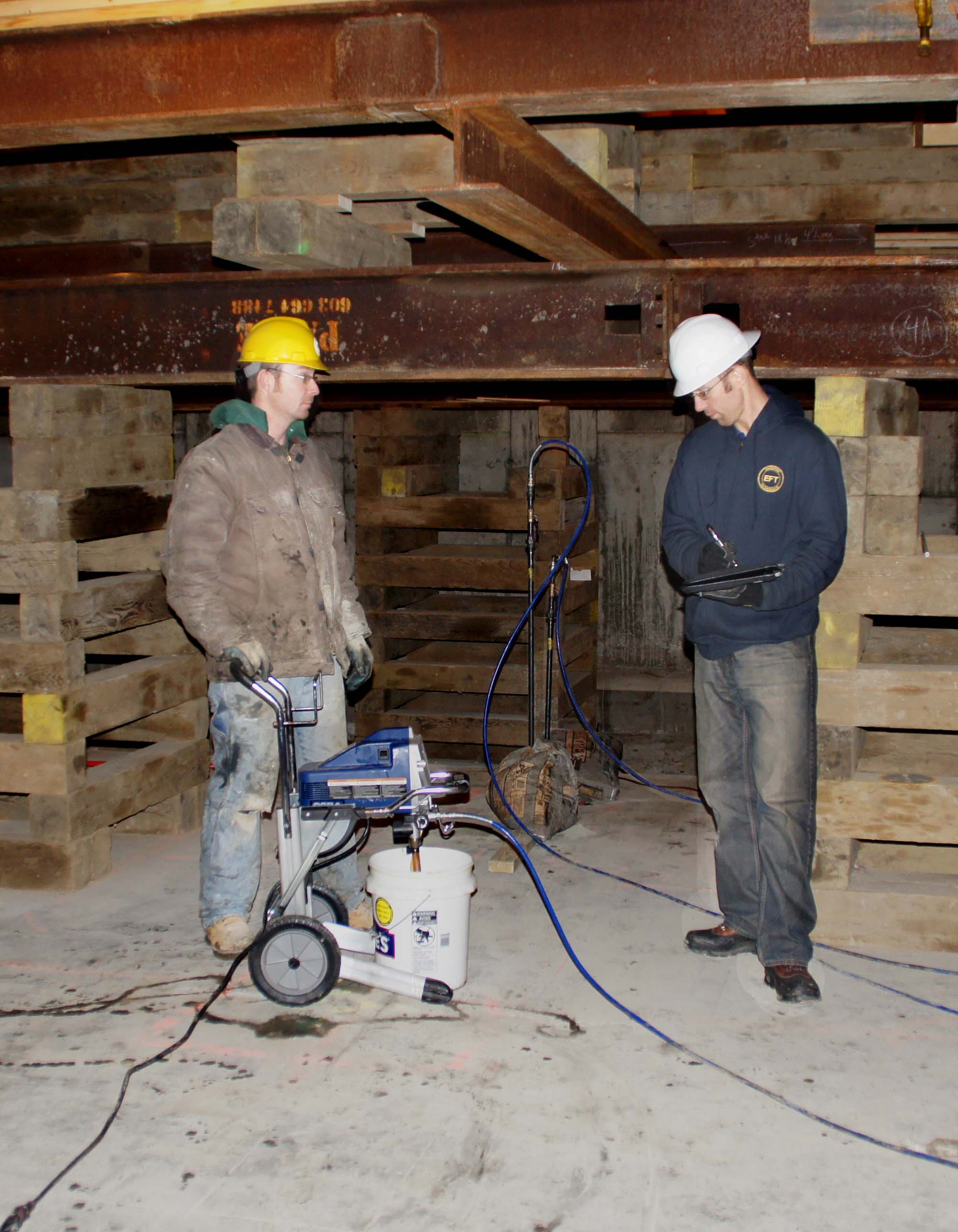
Soil stabilization requires only small injection points and no extensive digging — reducing construction impact, cleanup, and disruption to facilities or landscapes.

Long-Term Soil Resistance

Once cured, polyurethane forms a durable, water-resistant barrier that enhances soil strength and resists erosion and moisture infiltration over time.